

Passion & Purpose: Summer 2026
The Director of Rural Initiatives at the Smithsonian Institution offers insight on rural America
The fourth-annual Rural Philanthropy Summit created a space for community and civic leaders from across Missouri to learn and connect on April 24 in Rolla. The event, presented by the CFO and Philanthropy Missouri and sponsored by Patterson Family Foundation and Marillac Mission Fund, fostered conversation around the good happening across the state and the value of what it means to be rural.
Following a keynote address by Andy Mink, the Smithsonian Institution’s director of Rural Initiatives (see interview below), breakout sessions shared thoughts on the future of rural areas, touching on philanthropic capital, literacy rates, health care infrastructure and economic development. Such topics remind us that community needs, while nuanced from place to place, often include shared vision and challenges — which can be addressed through common conversation.
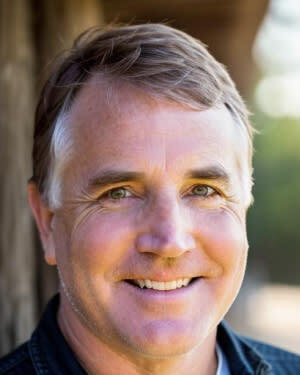
Q&A with Andy Mink, Director of Rural Initiatives, Smithsonian Institution
Before the Rural Philanthropy Summit, the CFO sat down with keynote speaker Andy Mink, director of Rural Initiatives for the Smithsonian Institution, to understand the department’s collaboration with rural communities. Below is an excerpt of what he shared.
On Smithsonion’s Rural Initiatives
Andy Mink: When I go to places, it’s still shocking to me how surprised many small towns and local communities are, like, ‘What? The Smithsonian is interested in our story?’
We’re not interested in working with communities from a deficit perspective. This is not our attempt to bring small towns as big cities unrealized into the 21st century. We’re not there to fix some perceived problem. We are there, though, to acknowledge that rural communities are innovative and creative and resilient and loyal and proud and that’s the work that we want to celebrate.
What we’re able to do is surface five key priorities that rural communities generally agree are really important to them, and then match those five priorities with resources, expertise, background that the Smithsonian can offer to address those priorities locally.
First, in no particular order: access to arts, history and culture. The data showed us very clearly that rural Americans feel a very strong connection to their local history, their family history. They also recognize that it’s a health metric — that when your community has more sophisticated access to arts and culture, not only can you get people to move there ... but it just creates a better sense of connection and less isolation.
A second is access to cultural preservation strategies, particularly before tragedies like hurricanes and floods and fires when all these things that tell the story of your town are gone. Or your elder folk die, and suddenly all that is lost. We have units at the Smithsonian who specialize in working with communities to not just digitize all their work, but to create strategies (for preservation).
Number three is access to education, resources and opportunities. Small towns — all towns, really — understand their most valuable asset is their youth, and they don’t want living in a small town to restrict the economic opportunities that they have in 2026.
The fourth: A lot of communities use the word ‘workforce preparedness’ or ‘career readiness.’ We do a lot of work at the Smithsonian around internships. ... What we’ve done in the Rural Initiative is create a rural pipeline for rural students who can identify some issues of local concern. They can come to the Smithsonian and gain the skills to address it. Then they go back home and they apply it to career readiness.
And then the last one is the local story in America 250. This one will probably change in the future, although we look at America 250 as a launching point, not as a birthday. This is a way for us to do things, to really bring people in conversation and discourse, well beyond when the fireworks fade.
On Rural Education
Andy Mink: To me, the key to rural education is imagination. What I mean by that is the imagination for young people to realize that there is no stigma to where they are. There is deep value to their rural background, and they have access to all the things over the horizon line.
That’s different than when I grew up in a very small rural town, and it’s even different when I raised my kids and taught in a rural town. Because now we sort of imagine that there’s access to all the things in the world.
But to me, it’s the imagination of knowing that that is available, and that you have a place in that.
And so it’s exposure, it’s introduction, it’s encouraging young people to sort of take the risks, to expand beyond. I do believe that does not mean they leave home. In fact, I think that means they’re more likely to stay rooted in the place they’re from.